
Compare Local Contractors for Home Automation Installation Success
Compare local contractors for home automation installation to define project scope, verify experience, and set clear expectations in writing for a successful outcome.
Home automation installation projects typically involve integrating various smart devices and systems to enhance convenience, security, and energy management within a property. This can include installing smart lighting, thermostats, security cameras, door locks, and entertainment systems. Contractors in this field often handle the electrical wiring, device placement, system configuration, and integration processes needed to ensure that all components work seamlessly together. Understanding the scope of work involved helps property owners clarify what is included in the installation and ensures that the desired features are achievable within the project’s parameters.
Defining the scope of a home automation installation is a critical step in working with local contractors. Clear communication about the specific devices, systems, and functionalities desired helps prevent misunderstandings and sets realistic expectations. Property owners should outline the extent of the automation, such as whether they want a comprehensive system or targeted solutions for particular areas. Documenting these details in writing can serve as a reference point throughout the project, helping to avoid scope creep and ensuring that the work performed aligns with initial goals.
When comparing local contractors for home automation installation, property owners should consider their experience with similar projects and their ability to handle the specific systems involved. It is helpful to verify the types of automation technologies each contractor is familiar with and to ask for examples of past work or references. Additionally, evaluating how well contractors communicate and how thoroughly they define project scope can provide insight into their professionalism and reliability. Gathering information about their approach to planning, documentation, and expectations can help property owners make informed decisions and select service providers suited to their needs.
Compare local contractors by outlining your priorities, verifying experience, and clearly defining scope and expectations in writing.
- Compare Contractor Experience - Review the background and project history of local service providers to ensure relevant expertise.
- Define Project Scope Clearly - Establish detailed work parameters to set accurate expectations for home automation installation.
- Verify Credentials and References - Check references and previous work to gauge the reliability and quality of local contractors.
- Document Agreements in Writing - Ensure all project details, responsibilities, and expectations are documented to prevent misunderstandings.

Clearly define your home automation project and compare local contractors based on experience, scope, and written expectations.
- Verify experience and references of local contractors specializing in home automation installation. - Ensure service providers have a proven track record with similar projects and positive client feedback.
- Define the scope of work clearly in writing before beginning the project. - Clarify which devices, systems, and features will be installed and integrated.
- Compare multiple local contractors to assess their expertise and service offerings. - Look for detailed descriptions of their installation process and supported technologies.
- Check that the contractor provides a detailed written agreement outlining the project scope and deliverables. - This helps set expectations and avoid misunderstandings during installation.
- Assess the contractor’s knowledge of current home automation systems and compatibility considerations. - Confirm they understand the latest technologies and how they integrate with existing setups.
- Ensure the contractor discusses any potential limitations or requirements related to the home’s infrastructure. - This includes wiring, network setup, and space considerations necessary for installation.
Compare local contractors’ experience, clarify project scope, and establish written expectations for home automation.
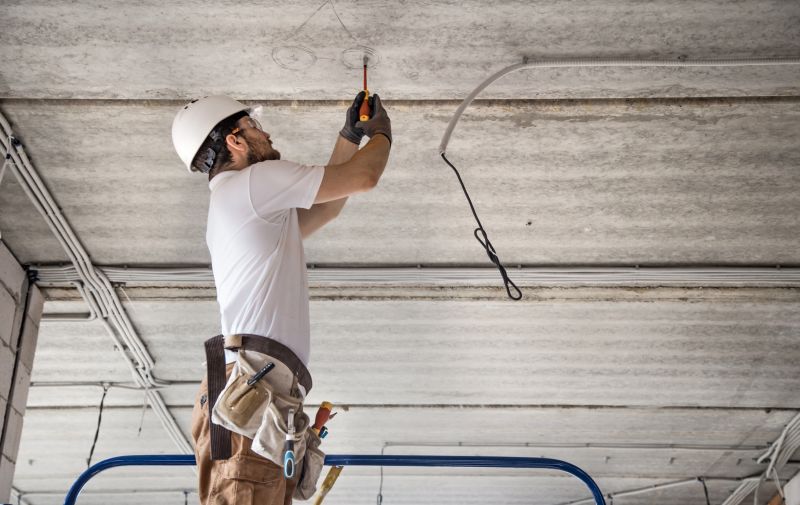

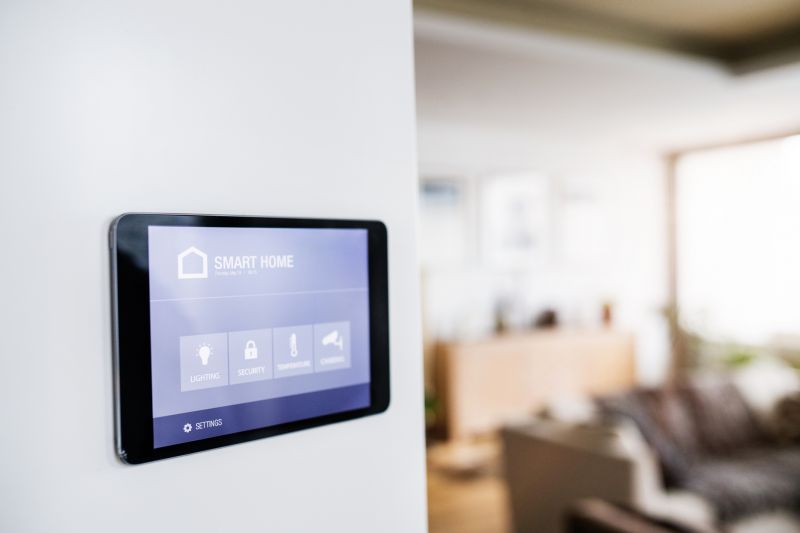
Use consistent comparison criteria to evaluate local contractors’ scope, experience, and written expectations for installation projects.
- Define project scope - clearly outline the specific home automation systems and features to be installed.
- Assess experience and expertise - verify the background and previous work of local contractors in home automation projects.
- Determine compatibility and integration - ensure the proposed systems will work seamlessly with existing home infrastructure.
- Establish communication expectations in writing - document all project details, responsibilities, and deliverables to prevent misunderstandings.
- Compare service offerings - evaluate different local contractors based on scope, experience, and approach to find the best fit for the project.
When comparing contractors for home automation installation, it’s important to consider their experience with similar projects. Skilled service providers will have a track record of handling systems comparable to the scope of the homeowner’s needs. Asking about their past work can reveal whether they have successfully integrated devices and systems similar to those planned for the home. Contractors with relevant experience are more likely to understand the nuances of different automation components and can provide insights based on previous projects, helping homeowners gauge their capability to deliver a seamless setup.
A clear, written scope of work is essential when evaluating home automation contractors. This document should outline the specific tasks, systems involved, and the expected deliverables. A detailed scope helps ensure that both parties have aligned expectations and reduces the risk of misunderstandings. Homeowners should look for service providers who can articulate their approach in writing, including the technologies to be used, the steps involved, and any assumptions or limitations. Having this clarity upfront makes it easier to compare options based on the thoroughness and transparency of their proposals.
Verification of a contractor’s basic qualifications involves reviewing their methods for ensuring quality and compatibility throughout the project. Homeowners can inquire about how service providers verify that devices and systems work together as intended, and whether they perform any testing or quality checks during installation. While not discussing licensing or certifications, it’s helpful to understand their approach to verifying that the automation components are properly integrated and functioning correctly before project completion. This focus on verification provides confidence that the system will operate reliably once installed.
When evaluating options for home automation installation, homeowners should consider how service providers plan to communicate and document their work. A professional contractor will provide written documentation of the scope, including specifications, installation procedures, and any warranties or support agreements. Comparing how each contractor approaches project documentation and their level of detail can help in assessing their professionalism and reliability. Ultimately, selecting a service provider involves ensuring they have the experience, clarity in scope, and verification practices that align with the homeowner’s expectations for a successful automation system.
Ask contractors to provide written scope details to ensure clear expectations and consistent project understanding.
- Scope of Work - What specific tasks and systems are included in the installation services offered by different contractors?
- Experience and Expertise - How do contractors demonstrate their experience with home automation systems similar to the project’s needs?
- Technologies and Products - What brands or types of automation equipment do service providers typically install and support?
- Project Expectations - How should scope and responsibilities be clearly outlined in written agreements to prevent misunderstandings?
- Comparison Criteria - What key factors should be used to compare the qualifications and approaches of local contractors?
What should I consider when choosing a contractor for home automation installation? It's important to compare local contractors based on their experience, scope of services, and reputation. Defining the specific automation features you want and ensuring these are clearly outlined in writing can help set proper expectations.
How can I verify a contractor’s experience with home automation projects? You can review their past work, ask for references, or check their portfolio to assess their familiarity with the types of systems you want installed.
What questions should I ask a contractor before hiring for automation installation? Inquire about their previous projects, the scope of services they offer, how they handle system integration, and whether they provide detailed written agreements outlining the work and responsibilities.
Why is it important to have a clear scope of work in writing? A written scope helps ensure both parties agree on the project details, responsibilities, and expectations, reducing misunderstandings and providing a reference throughout the installation process.
How do I compare different home automation contractors effectively? Compare their experience, the scope of services offered, client references, and the clarity of their proposals or written agreements to determine which contractor aligns best with your needs.
What role does defining project expectations play in selecting a contractor? Clearly setting and documenting your expectations helps ensure the contractor understands your goals, leading to smoother communication and a more successful installation process.
Understanding the key aspects of home automation installation can help in making informed decisions when choosing a service provider. Visitors have learned how to define the scope of the project, verify the experience of local contractors, and set clear expectations in writing to ensure a smooth process. Comparing options through a straightforward quote form simplifies the process of connecting with qualified service providers in the area.
Using the quote form to explore and compare local contractors allows for a better understanding of the available options. It provides a practical way to find experienced service providers who can handle the installation according to specified needs. Taking this step helps in making well-informed choices tailored to individual project requirements.