
Get Home Automation Installation
Home automation installation services help property owners enhance convenience, security, and control by integrating smart devices like thermostats, lighting, and security systems through local contractors.
Home automation installation services provide property owners with practical solutions to enhance convenience, security, and energy efficiency. Whether upgrading an existing system or planning a new setup, understanding the options available can help make informed decisions tailored to specific needs. Exploring local contractors allows property owners to compare expertise and services within the community, ensuring the right professionals handle the project.
For those considering home automation, evaluating local service providers can streamline the planning process and ensure the work aligns with individual property requirements. By reviewing available options, property owners can identify experienced contractors capable of delivering customized solutions that fit their goals. Continuing to explore these local options helps in making well-informed choices throughout the planning and installation phases.
- Smart Home System Installation - when homeowners want to integrate multiple devices for seamless control.
- Lighting Automation Setup - for those seeking to remotely manage or schedule their lighting.
- Home Theater and Audio System Integration - when upgrading entertainment spaces with automated controls.
- Security System Automation - for residents looking to enhance home security with automated monitoring.
- Climate Control Automation - when adjusting heating and cooling systems for increased comfort and efficiency.
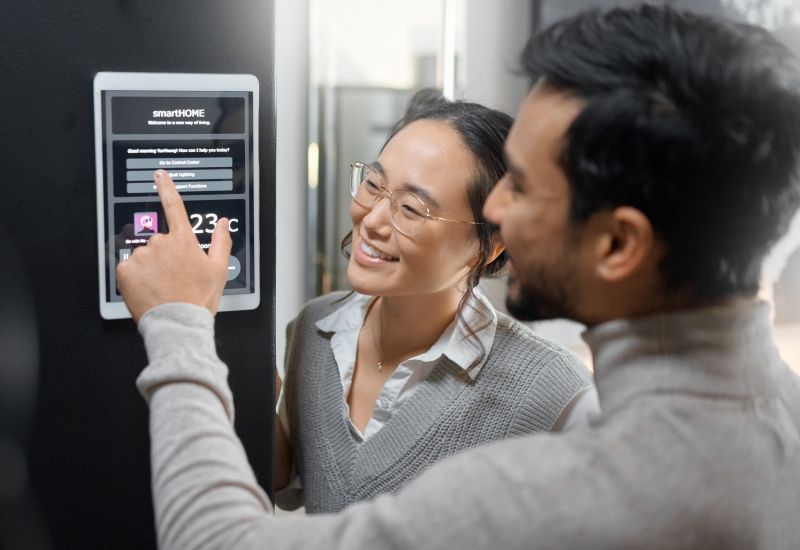
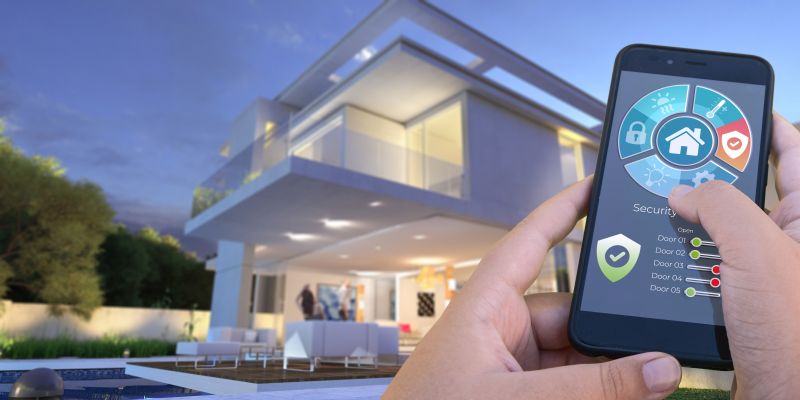
Home automation installation services involve setting up systems that allow homeowners to control various aspects of their property through integrated technology. This includes installing smart devices such as thermostats, lighting controls, security cameras, door locks, and voice-activated assistants. These professionals ensure that all components are properly connected and configured to work seamlessly together, providing a centralized control system that can be accessed via smartphones, tablets, or voice commands. Proper installation is essential for ensuring that these systems operate reliably, offering homeowners a convenient way to manage their home environment efficiently.
Many common household problems can be alleviated with home automation. For example, managing energy consumption becomes easier by automating lighting and climate control, which can reduce utility bills. Security concerns are addressed through the installation of smart security systems that provide real-time alerts and remote monitoring. Additionally, automation can enhance comfort by adjusting temperature and lighting based on occupancy or time of day. Service providers help homeowners eliminate the hassle of manual adjustments, improve home security, and create a more responsive living space that adapts to daily routines.
Home automation installation is often sought for various property types, including single-family residences, condominiums, and multi-unit apartment buildings. These systems are suitable for homes of all sizes, from small apartments to large houses with multiple floors. They are especially popular among homeowners who want to increase convenience, improve security, or enhance energy efficiency. Commercial properties, such as office buildings or retail spaces, may also utilize automation solutions, but residential installations remain the most common. Local contractors can tailor solutions to fit the specific layout and needs of each property, ensuring optimal performance and usability.
Homeowners considering automation services typically look for ways to streamline daily tasks and improve their living environment. If managing multiple remote controls or adjusting settings manually feels inconvenient, automation can simplify these routines. Property owners who want to enhance security, reduce energy waste, or increase overall comfort may find that automation systems provide a practical solution. By working with experienced local service providers, homeowners can find the right automation setup for their property, ensuring the technology integrates smoothly into their daily lives and adds convenience to their home environment.
The overview below groups typical Home Automation Installation projects into broad ranges so you can see how smaller, mid-sized, and larger jobs often compare in your area.
In many markets, a large share of routine jobs stays in the lower and middle ranges, while only a smaller percentage of projects moves into the highest bands when the work is more complex or site conditions are harder than average.
Smaller Repairs - Typical costs for routine home automation repairs or upgrades range from $250 to $600. Many projects in this category involve replacing or adjusting existing devices and tend to fall within this middle range. Fewer jobs reach the higher end of this spectrum, which usually involves more extensive work.
System Installations - Installing new home automation systems generally costs between $1,000 and $3,000. This range covers standard setups for average-sized homes, with most projects landing here. Larger or more complex installations can push costs beyond $4,000, but these are less common.
Full Home Automation - Complete automation system overhauls for entire homes often range from $5,000 to $15,000. Many local contractors handle projects within this range, though larger, more integrated systems can exceed $20,000. Such extensive projects are less frequent but available for larger properties.
Custom or Luxury Solutions - High-end, custom automation solutions can start around $20,000 and go well above $50,000. These projects usually involve bespoke systems tailored to specific needs and preferences, with fewer jobs reaching into the highest cost tiers. Local service providers can help evaluate options fitting different budgets.
Actual totals will depend on details like access to the work area, the scope of the project, and the materials selected, so use these as general starting points rather than exact figures.
Lighting Control Systems - installation of automated lighting systems involves wiring, programming, and planning similar to home automation setups.
Smart Security Systems - integrating security cameras, sensors, and access controls requires coordination of devices and network planning akin to home automation projects.
Voice-Activated Assistants - setting up voice control devices for home functions shares skills in wiring, device configuration, and system integration with home automation services.
Whole-Home Audio/Video Systems - installing multi-room audio and video solutions involves planning, wiring, and device configuration comparable to automation installations.
Networking and Wi-Fi Setup - optimizing home networks for smart devices requires technical planning and wiring skills similar to those used in automation system installations.
Home Theater Installations - configuring audio-visual equipment and wiring for home theaters involves planning and technical skills comparable to home automation system setup.
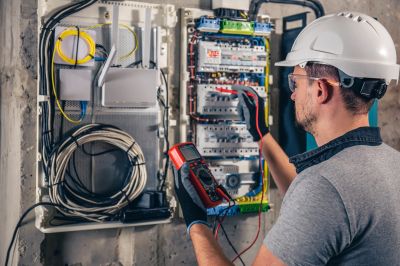
When evaluating service providers for home automation installation, it’s important to consider their experience with similar projects. Homeowners should look for local contractors who have a track record of successfully completing projects comparable in scope and complexity. An experienced professional will be familiar with the specific systems and technologies involved, which can contribute to a smoother installation process and a more reliable outcome. Asking about past work or reviewing portfolios can help gauge their familiarity with the unique requirements of home automation systems.
Clear written expectations are essential to ensure that both the homeowner and the service provider are aligned on the project’s scope, deliverables, and responsibilities. Reputable local contractors typically provide detailed proposals or contracts that outline what will be done, the materials to be used, and the standards to be met. This documentation helps prevent misunderstandings and provides a reference point throughout the project. Homeowners should seek providers who are transparent about their process and willing to communicate expectations clearly from the outset.
Good communication and reputable references are key indicators of a trustworthy service provider. Effective communication involves timely responses, clarity in discussing project details, and openness to questions or concerns. Reputable local pros often have references or reviews from previous clients that can offer insights into their professionalism and quality of work. While the site introduces homeowners to local options, it’s important to independently verify these aspects by asking providers for references and assessing their communication style. This approach helps ensure that the chosen contractor is reliable and capable of delivering a satisfactory home automation installation experience.
Property owners use Home Automation Installation services for practical projects around their homes and businesses. This guide focuses on everyday jobs and straightforward project options.

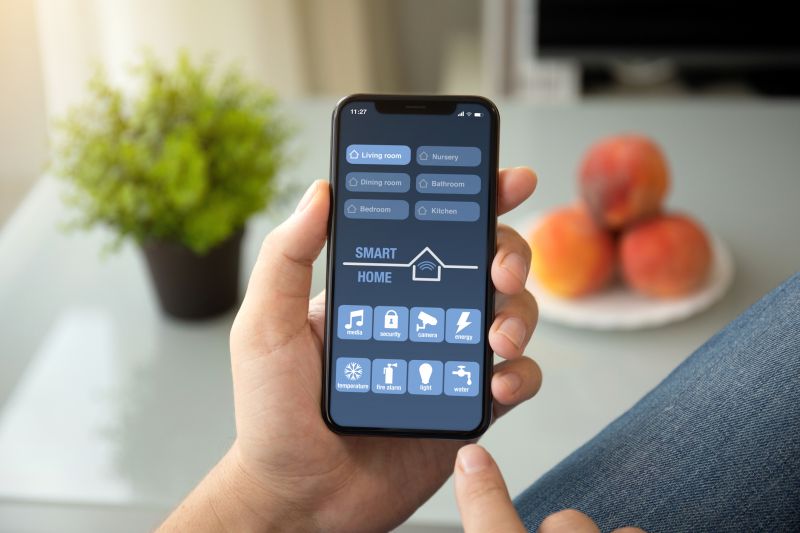
Homeowners in the area often seek home automation installation services to simplify daily routines and enhance convenience. Whether upgrading a single room or outfitting an entire property, property owners may want to control lighting, thermostats, or security systems remotely. Local contractors can help integrate smart devices seamlessly into existing setups, making everyday tasks more manageable and improving overall comfort.
Many property owners look for home automation solutions to increase energy efficiency and reduce utility costs. They might be interested in automating lights, blinds, or heating and cooling systems to better manage energy use. Local service providers are equipped to assist with installing and configuring these systems, helping residents enjoy modern technology without the hassle of handling complex setups themselves.
What types of home automation systems can local contractors install? Local service providers can install a variety of home automation systems, including smart lighting, thermostats, security cameras, and integrated control hubs to enhance convenience and security.
How do home automation installation services typically work? Service providers usually assess the home's needs, recommend suitable automation solutions, and handle the installation process to ensure proper setup and integration.
Can local contractors customize home automation setups? Yes, many service providers offer customized solutions tailored to specific preferences and existing home systems for seamless integration.
What should I consider before choosing a home automation installer? It's important to consider the provider’s experience, the range of compatible devices, and their ability to deliver a setup that aligns with your household needs.
Are home automation installation services suitable for all types of homes? Most local service providers can accommodate a variety of home types, from apartments to large houses, ensuring the automation system fits the space and layout.
Smart Lighting Control - Automate your home's lighting to adjust based on occupancy or time of day for added convenience and energy savings.
Thermostat Automation - Set your heating and cooling systems to operate efficiently with programmable schedules that suit daily routines.
Security System Integration - Connect cameras, alarms, and locks to create a cohesive security setup that can be monitored and controlled remotely.
Voice-Activated Devices - Use voice commands to control lights, climate, and entertainment systems for hands-free convenience throughout the home.
If you are thinking about Home Automation Installation for a property, this guide is meant to help you understand the work, the typical project types, and how different options might fit your plans.
When you are ready, you can use the quote form on this page to share a few details about your project. From there, local pros can review the basics and respond with options that match what you have in mind.